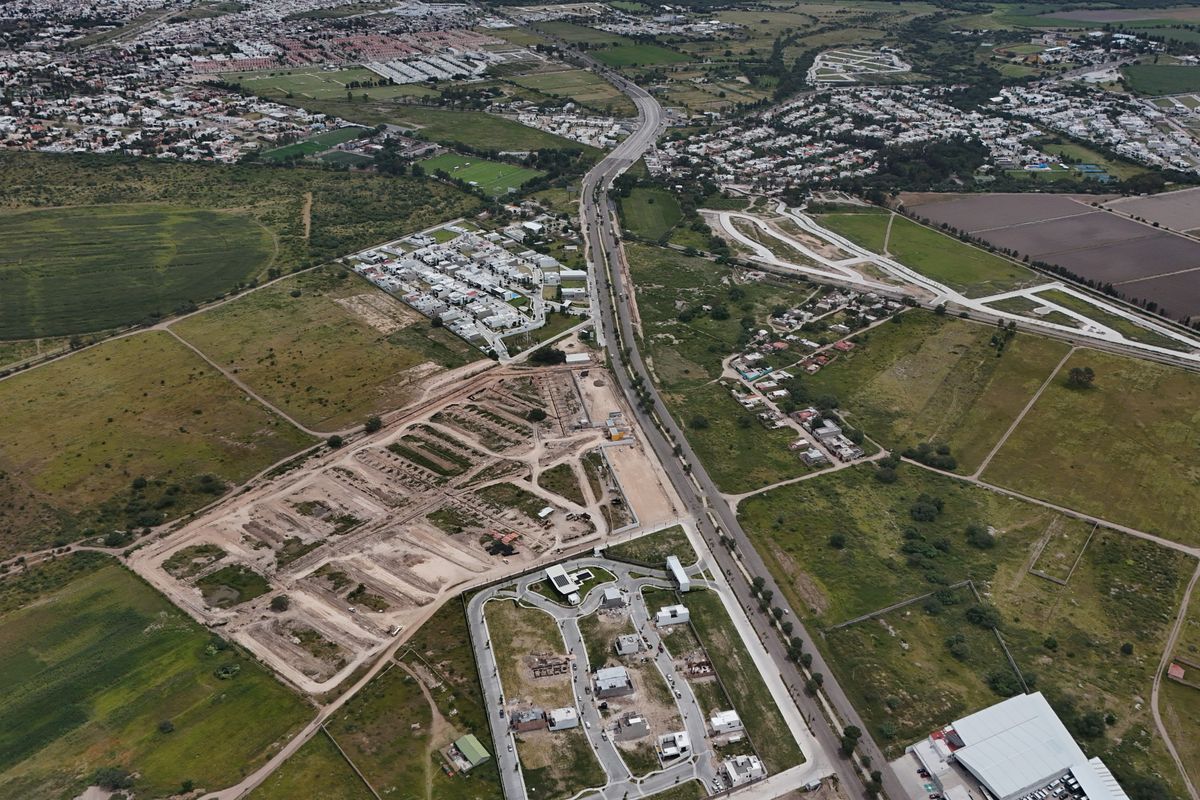
The house-versus-plot question is really a question about what you want the asset to do. Appreciation, income and carrying cost pull in different directions, and the right answer depends on your horizon.
Plots have the lowest carrying cost. There is no tenant, no maintenance and no fit-out. That makes them attractive for long holds, provided the society's development continues and dues stay cleared. The risk is documentation and delivery: a plot in a scheme that stalls takes a long time to recover its value.
Constructed houses produce income. A rented house covers part of its own cost and provides a measurable yield, but maintenance, repairs and tenant turnover consume part of that rent. Older stock needs modernisation budgeting before it can be let competitively.
Liquidity differs by format. In mature societies, houses trade more frequently than raw plots because end users drive demand. In newer schemes, plot and file trading usually dominates.
Documentation risk is broadly comparable, but the failure modes differ. Plot disputes tend to involve dues, informal transfers and stalled development. House disputes tend to involve unapproved construction, boundary encroachment and incomplete utility connections.
A practical middle path for many investors is a plot in a society whose infrastructure is already visibly delivered, held alongside one income-producing unit elsewhere. That combination gives you both low carrying cost and a real rental return, while spreading exposure across two different demand drivers.
Related pages, markets and tools
Continue from this guide into the matching market pages and calculators.
Continue your research